Killer diet for rheumatoid arthritis?
September 19, 2007 by AnnA
Filed under Drugs & Medication, featured, Food & Nutrition, Health, Healthy Ageing, Mental Health, Natural Medicine
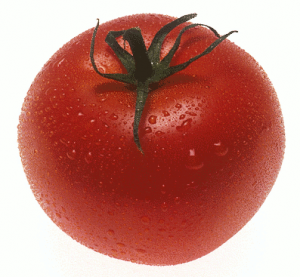
- Diet is important with rheumatoid arthritis

First on the hit list are tomatoes, maybe not killers exactly but if you suffer from arthritis they are certainly to be avoided. They are among a group of foods that trigger inflammation and general discomfort because they contain solanine, an alkaloid that is known for its toxicity. Other foods that are high in solanine are potatoes, aubergines and peppers, all of which you might know better as the nightshade plant family. The solanine is found in their leaves and roots and its purpose is to provide natural protection against insects for the plant. When we eat those foods the solanine is neutralized in the intestine, but because of their ability to trigger joint pain, some researchers believe that arthritis patients may not be able to adequately process the solanine and so it is still toxic in their system.
If you suffer from arthritis then you know that dietary solutions can be very helpful for some people, so that taking all the nightshade family out of the equation can be beneficial. Unfortunately this does not make any difference at all to other people with arthritis and that it is another factor entirely that causes the most problems. An excellent book by Patrick Holford called Say No to Arthritis made this point many years ago, and pointed out that certain foods can increase the severity of rheumatoid arthritis symptoms and these include milk, pork, red meat, cod, eggs and cereal. This is now confirmed by research done in Norway and Sweden, which has shown that certain people may be predisposed to develop rheumatoid arthritis when their diet includes plenty of high-protein foods. If you do suffer from this painful condition then an investigation into what foods affect you might well be very beneficial, and the book I just mentioned is a good place to start with that.
ADHD drugs and risk of heart disease
September 17, 2007 by AnnA
Filed under Childrens Health, Drugs & Medication, featured, Health, Healthy Ageing, Mens Health, Mental Health, Natural Medicine, Womens Health

The number of children on anti depressants and other behaviour altering drugs has quadrupled in the last ten years. In 2005 GP’s wrote more than 631,000 prescriptions for drugs such as Prozac to under 16′s as against 146,00 in the mid 1990′s. This disturbing trend sees drugs being the first line in the situation instead of other options such as counselling which might be more appropriate. In line with the fact that the use of Ritalin to control stress and aggressive behaviour in children has also increased tenfold in the same period, there is a timely study being undertaken in the USA to look at the potential heart risks from medicines used to treat attention deficit hyperactivity disorder (ADHD).
The U.S. Food and Drug Administration, in collaboration with the Agency for Healthcare Research and Quality, will examine clinical data of about 500,000 children and adults who have taken ADHD drugs, including Ritalin. The analysis is expected to take about two years and will include all drugs currently marketed for treating ADHD. There are millions of people taking these medicines worldwide and it is known they can increase heart rate and blood pressure, and this has raised concerns they may therefore raise the risk of heart attacks, strokes or other cardiovascular problems. There have been cases reported of heart problems in both adults and children who receive drug treatment for ADHD, but these patients have had known underlying risk factors. What is not known is whether or not these events are directly related to the drug treatment and the study hopes to get further information to protect from potential risks from heart disease.
SOS for supplements
September 15, 2007 by AnnA
Filed under Natural Medicine, Vitamins & Supplements
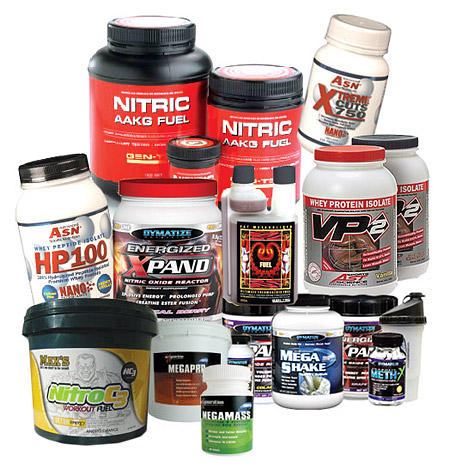
Many different supplements are on the market nowdays
Your ability to freely choose and use natural medicines and supplements has been attacked on various fronts over the past few years. Campaigns have been ongoing to save specific supplements, or dosages, and now Consumers for Health Choice (CHC) are diving in with a campaign to Save Our Supplements by first targeting Gordon Brown and the new minister for health, Dawn Primarolo, by starting with a full page ad in The Guardian on the opening day of the Labour Party Conference on September 24th 2007. This ad will be an open letter to the Prime Minister and a further letter will be sent to the President of the European Commission, Jose Barroso as well as being placed in European journals in 12 countries to bring pressure on the commission to safeguard the future of consumer choice in the area of natural medicines and supplements.
Over 300 nutrients and nutrient sources that are already on the UK market, and accepted as safe by the regulators, are not included on the ‘Positive Lists’ the EU will accept and in order to get on the list it is estimated a manufacturer will have to submit a dossier of information that is estimated to cost around £250,000 per substance. This is obviously completely out of the range of the many small herbal companies that have been in existence for many years and it is anticipated that only 20 dossiers are expected to be submitted. One of the main areas of concern is over what the EU can set as maximum dosage for vitamins and minerals and these levels are likely to be extremely low. it will be illegal to market supplements which contain higher levels than these even though such levels have already been established through long usage as being safe. There has been substantial pressure from the pharmaceutical lobby and from the French and German Governments, to only allow low dose supplements and this would inevitably mean that a great many safe, popular and effective higher potency supplements will removed from the UK market. If you are a member of the Women’s Institute, you will be hearing more about this as CHC Director Sue Croft is in talks with the WI to encourage their 211,000 members to lend their support to the campaign. The WI has over 6,800 groups nationwide and is committed to improving the nations health through diet, so they would make ideal campaign partners.
More information on how to help, or if you wish to make a contribution to the campaign from the website at www.consumersforhealthchoice.com