Pain relief on a plate
October 23, 2007 by AnnA
Filed under Drugs & Medication, Food & Nutrition, Natural Medicine

Usually, if you are in pain you reach for a pill. However, depending on the severity of your discomfort there are some foods that you might like to try. If you prefer a natural solution, you may want to visit your health store for white willow bark. In 1827, a French chemist named Leroux extracted a substance from the bark of a white willow tree that he named “Salicin.” This substance is the main active ingredient of white willow, and it works as a pain reliever. Many years later two other – Felix Hofman and Fredrick Bayer – found a related compound to salicin, and later developed a synthetic version of that compound. This led to the development of the commercial product known as aspirin. White willow doesn’t have the side effects of aspirin because it is naturally converted in the body to salicylic acid, which is mild and does not upset the stomach. You can use it wherever you would normally use aspirin: pain relief, to reduce fevers, and as an anti-inflammatory where it is particularly useful for arthritis and rheumatism. It is available as tablets or capsules, though the capsule form has a faster action.
However, if aspirin is your drug of choice for pain relief, then its effects will be accelerated if you drink a cup of strong coffee at the same time, according to research conducted by Dr Bernard Schachel of Yale University. If you are a cook, then there are a range of options available to you: eating chilli peppers can help reduce pain because they are an excellent source of caspsaicin, a substance found by researchers at the University of Alabama to diminish many kinds of pain, especially chronic pains, including those associated with pinched nerves, as in sciatica. Many everyday foods also have a high content of salicylates, like white willow bark, and they too have both analgesic effects and can also combat inflammation. Good sources of foods that are proven to have pain-reducing properties include: garlic, ginger, onions, cherries, prunes, blueberries, curry powder, dried currants and dates, paprika, liquorice, and peppermint.
Natural ways to control high blood pressure
October 17, 2007 by AnnA
Filed under featured, Food & Nutrition, Healthy Ageing, Mens Health, Natural Medicine, Vitamins & Supplements, Womens Health

As there are 16 million people in the UK with high blood pressure (hypertension), and of those nearly a third are not aware that they have the condition, it is obviously an issue that needs to be addressed. High blood pressure is defined as being at a level consistently at or above 140mmHg and/or 90mmHg and it is a both a preventable and manageable condition. You would think that as it is the direct cause of half of all strokes and heart attacks in the UK that those who have it would be regularly monitoring it, but sadly only 10% of those diagnosed with the condition have their blood pressure controlled to target levels.
Yet there is something that is so incredibly simple, that everyone can do, at no cost and no risk that will naturally help control high blood pressure. Hypertension results from the balance between two factors: how hard the heart is pumping (cardiac output) and how easily plasma can diffuse out of your capillaries (peripheral resistance) and most people with high blood pressure have a normal cardiac output but increased peripheral resistance. That resistance means you are more at risk of heart attacks and strokes and the most likely cause is dehydration.When you are dehydrated the level of blood in your body falls but the body has it’s own incredibly clever regulatory system where it prioritises the maintenance of your essential organs and shuts down blood supplies to the capillaries of non-essential areas like the muscle and skin. The effect of this is to increase your peripheral resistance and also to increase the production of histamine, a hormone-like substance, and this causes your blood vessels to narrow and this in turn further increases blood pressure. This can be also exacerbated by the fact that many treatments for hypertension include the taking of diuretics and this again reduces the amount of fluid in the body.
The remedy? Drink at least two litres of plain, still, water every day – not tea, coffee, soft drinks as a substitute but pure unadulterated water. Often the easiest way to measure is to have a full bottle by the kettle and make sure it is empty by the time you have that bedtime drink – or even earlier for preference so you aren’t then getting up too often in the night.
If you want to try and control your blood pressure without drugs, then one of the most effective supplements is Co-enzyme Q10. This is a substance which is produced naturally in the body and taking it has lowered blood pressure as effectively as prescription medications in a number of patients. Unlike some of the drugs, it’s only side effects are the good ones of lowering cholesterol and preventing diabetes and gum disease and the recommended dose for supplementation is normally between 60-120mg a day, but always start on the lower amount first and in consultation with a natural practitioner.
Natural tips for avoiding cataracts
October 12, 2007 by AnnA
Filed under Food & Nutrition, Healthy Ageing

It is estimated that 80% of people in the UK over the age of 75 have some form of cataract, and more worryingly some doctors believe that it could soon be 100%. Cataracts occur when the proteins inside the lens of the eye come under attack from sugar molecules which attach themselves to the proteins, causing them to clump together and become distorted so that incoming light has trouble reaching the eye and it can seem as if you are seeing everything through a waterfall effect. The lens clouds over and loses its elasticity and transparency. A preventive health tip?
Reduce your sugar intake as it can seriously compromise your eyesight. Carbohydrates are a natural home for many sugars so avoid refined carbohydrates, white rice and white bread, you could also lose weight too! Having a high-protein diet will also help as it plays an important part in protecting and repairing eye tissues and particularly good sources are tuna, mackerel, halibut and sardines. Also ensure your diet has enough of the nutrients that protect your body from the effects of free radicals as these can also affect your eyes.Include plenty of vegetables, garlic, nuts and berries too.
An aspirin a day keeps heart attacks at bay?
October 11, 2007 by AnnA
Filed under Childrens Health, Drugs & Medication, Food & Nutrition, Health, Healthy Ageing, Medical Research & Studies

It is part of the daily routine for many, but is it actually doing you good? Aspirin prevents platelets (a type of blood cell) from forming into clots and it is so effective that a single tablet can increase the tendency to bleed easily for up to a week. That’s fine if all you want to do is thin the blood, but too much blood thinning can be quite dangerous as researchers from McGill University Health Centre in Montreal, Canada found when they examined 4,000 cases of patients suffering from gastrointestinal bleeding. They found that when the anticoagulant drugs warfarin and clopidogrel were taken with aspirin, gastrointestinal bleeding was four to six times higher than in subjects who didn’t combine these drugs. When these prescription blood thinners are prescribed, aspirin use is usually discouraged, but that doesn’t mean that each patient gets the message. Those who don’t may be experiencing much more harm than good.
In a previous study in 2004, UK researchers at the University of Hull produced a Warfarin/Aspirin Study in Heart Failure that divided patients into three groups: one group received 300 mg of aspirin daily, one received a standard daily dose of warfarin, and a third group received a placebo. All the subjects in the study had experienced either heart attack or stroke, prompted by thrombosis. After an average follow up period of more than two years, researchers found that neither the aspirin nor the warfarin therapies provided any greater protection against death, nonfatal stroke, or nonfatal heart attacks than the placebo. In fact, subjects who received aspirin therapy were nearly twice as likely to suffer a heart attack or stroke compared to those who took warfarin or placebo. Gastrointestinal problems were also elevated in the aspirin group, confirming the findings of McGill University.
So if you’re taking a daily aspirin, should you stop? NO. Not before talking to your doctor first. In a 2003 study that reviewed more than 1,200 cases of coronary episodes, researchers found more than 50 cases of heart attacks or other severe coronary problems less than one week after patients discontinued aspirin use.
Sugar Power!
October 7, 2007 by AnnA
Filed under Food & Nutrition

Sugar often has a bad press for health, but there may be a whole new use for it. Researchers at St. Louis University in Missouri have developed a type of fuel cell that can produce electricity from almost any type of sugar. The scientists successfully tested the new cell with a glucose solution, carbonated soft drinks, sweetened drink mixes and even tree sap.
The cell consumes sugar and leaves behind a handful of by-products, primarily water. The researchers have suggested that a battery constructed from the cell could contain easily replaceable cartridges filled with a sugar solution.
As I personally have often warned of the health dangers of carbonated drinks, I was interested to see that the biodegradable cell runs best off of the simple glucose solution, and it runs worst off of carbonated drinks, which caused it to weaken.
The US Department of Defense funded the research as part of an ongoing search to find ways to charge portable electronic devices in battlefield or emergency situations where no electricity is available. Initial research suggests that this sugar-powered fuel cell could be used to replace lithium-ion batteries in laptop computers and cell phones and they think it could ready for the mass market in about three years. The prototype battery is about the size of a postage stamp and the researchers used it to power a handheld calculator. Next time you go camping, pack a couple of extra bags of sugar in case your mobile battery runs down!
Coeliac disease – avoiding hidden gluten
October 5, 2007 by AnnA
Filed under Food & Nutrition, Health, Vitamins & Supplements

Although often wrongly thought of as an allergy, it is an auto-immune disease, which means that the body produces antibodies that attack its own tissues. If you have coeliac disease then you know that gluten drastically reduces the small intestine’s ability to absorb nutrients but it can be a nightmare trying to identify it in your everyday diet. Nor do you have to have celiac disease in order to be sensitive to gluten as many people are allergic to wheat. Gluten is found in barley, rye, oat and wheat and it is what makes bread rise so beautifully. But just avoiding bread and grains isn’t the whole answer because gluten is often hidden in foods such as soups, soy sauce, low-fat or non-fat products, and even in sweets. The possibilities of where it might be are endless, but there is a short cut to help you find out if any supermarket products contain it and that is by reading the labels carefully. The Coeliac Disease Foundation list the following phrases to be cautious of if you spot them in the ingredients list:
* Unidentified starch * Modified food starch * Hydrolysed vegetable protein (HVP) * Hydrolysed plant protein (HPP) * Texturised vegetable protein (TVP) * Malt and other natural flavourings * Binders, fillers, excipients, extenders
Non-food items can also contain binders and fillers, and you may have them listed on both supplements and medicines. If in doubt ask the pharmacist to contact the company direct or go to the supplement website and email them for more information. Oh and if you like a good dose of vinegar on your chips, be aware that malt vinegar does contain gluten. A good diet for those with coeliac or gluten sensitivity needs to be very low in processed foods and to include dark green leafy vegetables, nuts, oily fish, eggs and liver on a regular basis.
Swedish research has shown that taking a probiotic supplement can be very helpful in managing the condition, as patients tend to have very different gut flora from those without gluten sensitivity and there may also be a link with candida. If you want to take a probioitic it should contain at least three billion live organisms per capsule and for best results include a daily multivitamin and mineral supplement and take extra magnesium (500mg daily), as around one third of coeliac patients are deficient in this mineral. For more information visit the website at www.coeliac.co.uk
The fizz that could be fatal
October 2, 2007 by AnnA
Filed under Food & Nutrition, Health, Medical Research & Studies
An ingredient widely used as a preservative in fizzy soft drinks has triggered alarm for several years but now it may be even more dangerous than was believed. Sodium benzoate (E211) has been identified, when linked with vitamin C in soft drinks, as a combination that forms benzene, a recognised carcinogen. The Food Standards Agency ordered four fizzy drinks removed from sale last year after unsafe levels of benzene were detected, though it is still present in many other soft drinks. Now scientists at Sheffield University have identified another danger from E211 in that when it was tested on living yeast cells in a laboratory it was seen that the benzoate was damaging an important area of DNA. Peter Piper, the lead researcher, stated that ‘these chemicals have the ability to cause severe damage to DNA in the mitochondria to the point that they totally inactivate it: they knock it out altogether. If the mitochondria is damaged then the cell starts to malfunction very seriously”. Diseases that are linked with damage to this DNA include Parkinson’s, cirrhosis of the liver, a number of neuro-degenerative diseases and of course the whole process of ageing. I am a great advocate of label checking, I am the one standing in the supermarket aisle for ten minutes trying to read the small print, and in this case it would be sensible to see whether your favourite soft drink contains the vitamin C and E211 combination.
Killer diet for rheumatoid arthritis?
September 19, 2007 by AnnA
Filed under Drugs & Medication, featured, Food & Nutrition, Health, Healthy Ageing, Mental Health, Natural Medicine
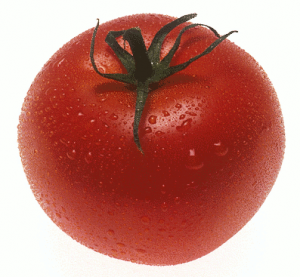
- Diet is important with rheumatoid arthritis

First on the hit list are tomatoes, maybe not killers exactly but if you suffer from arthritis they are certainly to be avoided. They are among a group of foods that trigger inflammation and general discomfort because they contain solanine, an alkaloid that is known for its toxicity. Other foods that are high in solanine are potatoes, aubergines and peppers, all of which you might know better as the nightshade plant family. The solanine is found in their leaves and roots and its purpose is to provide natural protection against insects for the plant. When we eat those foods the solanine is neutralized in the intestine, but because of their ability to trigger joint pain, some researchers believe that arthritis patients may not be able to adequately process the solanine and so it is still toxic in their system.
If you suffer from arthritis then you know that dietary solutions can be very helpful for some people, so that taking all the nightshade family out of the equation can be beneficial. Unfortunately this does not make any difference at all to other people with arthritis and that it is another factor entirely that causes the most problems. An excellent book by Patrick Holford called Say No to Arthritis made this point many years ago, and pointed out that certain foods can increase the severity of rheumatoid arthritis symptoms and these include milk, pork, red meat, cod, eggs and cereal. This is now confirmed by research done in Norway and Sweden, which has shown that certain people may be predisposed to develop rheumatoid arthritis when their diet includes plenty of high-protein foods. If you do suffer from this painful condition then an investigation into what foods affect you might well be very beneficial, and the book I just mentioned is a good place to start with that.
SOS for supplements
September 15, 2007 by AnnA
Filed under Natural Medicine, Vitamins & Supplements
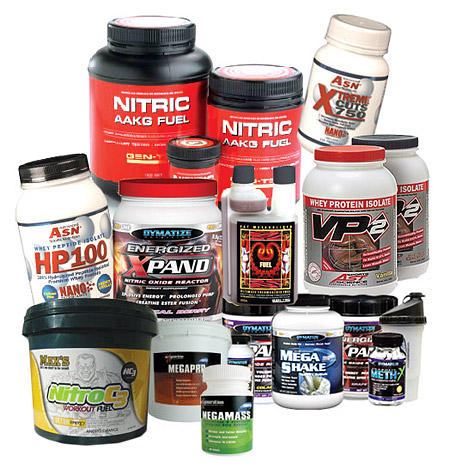
Many different supplements are on the market nowdays
Your ability to freely choose and use natural medicines and supplements has been attacked on various fronts over the past few years. Campaigns have been ongoing to save specific supplements, or dosages, and now Consumers for Health Choice (CHC) are diving in with a campaign to Save Our Supplements by first targeting Gordon Brown and the new minister for health, Dawn Primarolo, by starting with a full page ad in The Guardian on the opening day of the Labour Party Conference on September 24th 2007. This ad will be an open letter to the Prime Minister and a further letter will be sent to the President of the European Commission, Jose Barroso as well as being placed in European journals in 12 countries to bring pressure on the commission to safeguard the future of consumer choice in the area of natural medicines and supplements.
Over 300 nutrients and nutrient sources that are already on the UK market, and accepted as safe by the regulators, are not included on the ‘Positive Lists’ the EU will accept and in order to get on the list it is estimated a manufacturer will have to submit a dossier of information that is estimated to cost around £250,000 per substance. This is obviously completely out of the range of the many small herbal companies that have been in existence for many years and it is anticipated that only 20 dossiers are expected to be submitted. One of the main areas of concern is over what the EU can set as maximum dosage for vitamins and minerals and these levels are likely to be extremely low. it will be illegal to market supplements which contain higher levels than these even though such levels have already been established through long usage as being safe. There has been substantial pressure from the pharmaceutical lobby and from the French and German Governments, to only allow low dose supplements and this would inevitably mean that a great many safe, popular and effective higher potency supplements will removed from the UK market. If you are a member of the Women’s Institute, you will be hearing more about this as CHC Director Sue Croft is in talks with the WI to encourage their 211,000 members to lend their support to the campaign. The WI has over 6,800 groups nationwide and is committed to improving the nations health through diet, so they would make ideal campaign partners.
More information on how to help, or if you wish to make a contribution to the campaign from the website at www.consumersforhealthchoice.com