Coeliac disease – avoiding hidden gluten
October 5, 2007 by AnnA
Filed under Food & Nutrition, Health, Vitamins & Supplements

Although often wrongly thought of as an allergy, it is an auto-immune disease, which means that the body produces antibodies that attack its own tissues. If you have coeliac disease then you know that gluten drastically reduces the small intestine’s ability to absorb nutrients but it can be a nightmare trying to identify it in your everyday diet. Nor do you have to have celiac disease in order to be sensitive to gluten as many people are allergic to wheat. Gluten is found in barley, rye, oat and wheat and it is what makes bread rise so beautifully. But just avoiding bread and grains isn’t the whole answer because gluten is often hidden in foods such as soups, soy sauce, low-fat or non-fat products, and even in sweets. The possibilities of where it might be are endless, but there is a short cut to help you find out if any supermarket products contain it and that is by reading the labels carefully. The Coeliac Disease Foundation list the following phrases to be cautious of if you spot them in the ingredients list:
* Unidentified starch * Modified food starch * Hydrolysed vegetable protein (HVP) * Hydrolysed plant protein (HPP) * Texturised vegetable protein (TVP) * Malt and other natural flavourings * Binders, fillers, excipients, extenders
Non-food items can also contain binders and fillers, and you may have them listed on both supplements and medicines. If in doubt ask the pharmacist to contact the company direct or go to the supplement website and email them for more information. Oh and if you like a good dose of vinegar on your chips, be aware that malt vinegar does contain gluten. A good diet for those with coeliac or gluten sensitivity needs to be very low in processed foods and to include dark green leafy vegetables, nuts, oily fish, eggs and liver on a regular basis.
Swedish research has shown that taking a probiotic supplement can be very helpful in managing the condition, as patients tend to have very different gut flora from those without gluten sensitivity and there may also be a link with candida. If you want to take a probioitic it should contain at least three billion live organisms per capsule and for best results include a daily multivitamin and mineral supplement and take extra magnesium (500mg daily), as around one third of coeliac patients are deficient in this mineral. For more information visit the website at www.coeliac.co.uk
Osteoporosis drugs and heart disease risk
October 3, 2007 by AnnA
Filed under Drugs & Medication, Medical Research & Studies, Womens Health

The U.S. Food and Drug Administration said on October 1st 2007 it was reviewing reports of abnormal heartbeats in patients who took medicines in a class of osteoporosis drugs called bisphosphonates. This is just a precaution after a study published in the New England Journal of Medicine last May described increased rates of serious atrial fibrillation, a type of abnormal heartbeat, in patients who took either of two bisphosphonate drugs Fosamax and Reclast. These drugs are normally prescribed to increase bone mass and reduce fracture risk in patients with osteoporosis. They also are used to slow bone turnover in patients with a disorder called Paget’s disease and to treat bone metastases and lower blood calcium in cancer patients. Other commonly prescribed bisphosphonate drugs include Boniva, Actonel, Sanofi-Aventis; Zometa, Aredia; Didronel, and Skelid.
Most frequently prescribed in the UK are probably the drugs Didronel and Fosamax, and if you are concerned about osteoporosis then it would be worth investigating natural progesterone supplementation which has been shown to increase bone mass and density. As it is a natural hormone, it does not have any of the side effects of conventional drugs and if you wish to know more, have a look at the book Natural Progesterone: The Multiple Roles of a Remarkable Hormone (2nd Edition) or What Your Doctor May Not Tell You About Menopause: Breakthrough Book on Natural Progesterone
The fizz that could be fatal
October 2, 2007 by AnnA
Filed under Food & Nutrition, Health, Medical Research & Studies
An ingredient widely used as a preservative in fizzy soft drinks has triggered alarm for several years but now it may be even more dangerous than was believed. Sodium benzoate (E211) has been identified, when linked with vitamin C in soft drinks, as a combination that forms benzene, a recognised carcinogen. The Food Standards Agency ordered four fizzy drinks removed from sale last year after unsafe levels of benzene were detected, though it is still present in many other soft drinks. Now scientists at Sheffield University have identified another danger from E211 in that when it was tested on living yeast cells in a laboratory it was seen that the benzoate was damaging an important area of DNA. Peter Piper, the lead researcher, stated that ‘these chemicals have the ability to cause severe damage to DNA in the mitochondria to the point that they totally inactivate it: they knock it out altogether. If the mitochondria is damaged then the cell starts to malfunction very seriously”. Diseases that are linked with damage to this DNA include Parkinson’s, cirrhosis of the liver, a number of neuro-degenerative diseases and of course the whole process of ageing. I am a great advocate of label checking, I am the one standing in the supermarket aisle for ten minutes trying to read the small print, and in this case it would be sensible to see whether your favourite soft drink contains the vitamin C and E211 combination.
How to cut eczema rates in babies
September 30, 2007 by AnnA
Filed under Childrens Health, Skincare

You can’t turn on the television without endless ads promoting products that encourage us to eradicate every single germ I the vicinity with a variety of chemical products. My mother’s favourite dictum of ‘you’ve got to eat some dirt before you die’ is now deeply unfashionable, but there was a lot of sense in it. For children to build up immunity they need some exposure, so a completely sterile environment is not the answer. WE are now seeing a huge increase in cases of eczema – in fact the number of children suffering from it has doubled in a generation. It wasn’t widely reported, but Dr Chris Steele spoke up on television on the This Morning programme and suggested that one reason why at least 35% of babies now suffer from sore, flaking and itchy skin be in part due to the fact that our drive for cleanliness means babies are being washed too often and this causes damage.
Nor is it just children who are affected; eczema affects more than 5% of adults and many skin experts agree that a lot of it is down to our over use of artificial cleaning agents, solvents and detergents. If you want to try some natural solutions for dry, itchy skin and eczema then first look at your diet and increase the amount of essential fatty acids. A Danish study showed a 58% success rate when patients were given fish oil supplements over a 4 month period and every time you add oily fish like mackerel to your diet you are giving yourself a dose of Omega-3 oil and also vitamin D, both of which are good for the skin. Zinc is an essential trace element for healthy skin and natural sources include oysters, red meat, poultry, pumpkin seeds, dairy products, beans and lentils, yeast, nuts, seeds and wholegrain cereals.
For more help with skin conditions like eczema there is a useful website at Skin Care Campaign
Natural help for antibiotic side effects
I have mentioned before the problem with taking unnecessary antibiotics, but if you have to taken them then it can really help to take preventive measures to avoid some of the more common side effects. Though their job is to knock out infection-causing bugs, antibiotics often end up destroying good bacteria, triggering stomach troubles and yeast infections and often lead to low moods or depression in susceptible people.
The most important thing you can do while taking antibiotics is to reintroduce good bacteria into your body. In between doses, take good probiotic supplements like acidophilus and bifidus or a good probiotic yoghurt as that will help with antibiotic-related diarrhoea that can occur for those on antibiotic regimes in hospital. This last affects around 25% of those in hospital and a recent trial showed that simply drinking a probiotic such as Actimel reduced their risk of getting diarrhoea by 17%, and would certainly help anyone taking antibiotics at home.
Another problems associated with taking antibiotics is yeast overgrowth, and this can cause vaginal yeast infections and stomach upset. Help your body out by drastically reducing the amount of sugar you have in your diet in food, or in drinks, and increasing the amount of garlic and onions you eat as they help keep yeast in check. Antibiotics put a great strain on the liver, because every drug we take has to be broken down in the body and that’s the liver’s job. Support it by eating dark-green leafy vegetables like kale, broccoli, beets and artichokes to keep the bile flowing. To regenerate your liver cells, take milk thistle supplements.
If you are susceptible to low moods or depression, then antibiotics can be an problem as it is an associated side effect with some of the antibiotic drugs so please check that your doctor prescribes something that won’t trigger your low moods. For a natural help while on antibiotics, take a good B complex, a gram of vitamin C and St John’s Wort as ‘mood-enhancing’ package every day.
Echinacea vindicated
September 26, 2007 by AnnA
Filed under featured, Health, Natural Medicine

It’s a winter regular, the first sign of cold weather and I head for the Echinacea tincture to strengthen my immune system through the winter. Herbalists and anecdotal evidence has long believed that Echinacea is very effective at warding off colds and now there is further proof from scientists at the University of Connecticut School of Pharmacy. They have not identified the precise mechanism by which it does this, but the study revealed that although the common cold is caused by 200 different viruses, Echinacea usage showed consistent reduction in the chances of catching a cold by up to 58%. Their findings came from reviewing the results of 14 separate clinical trials and found that Echinacea not only helped prevent colds, it also reduced the length of an established cold by a day and a half. Time for me to take my tincture!
Killer diet for rheumatoid arthritis?
September 19, 2007 by AnnA
Filed under Drugs & Medication, featured, Food & Nutrition, Health, Healthy Ageing, Mental Health, Natural Medicine
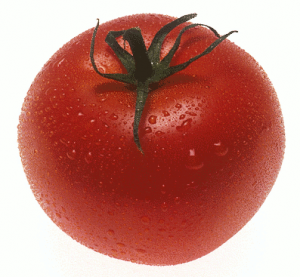
- Diet is important with rheumatoid arthritis

First on the hit list are tomatoes, maybe not killers exactly but if you suffer from arthritis they are certainly to be avoided. They are among a group of foods that trigger inflammation and general discomfort because they contain solanine, an alkaloid that is known for its toxicity. Other foods that are high in solanine are potatoes, aubergines and peppers, all of which you might know better as the nightshade plant family. The solanine is found in their leaves and roots and its purpose is to provide natural protection against insects for the plant. When we eat those foods the solanine is neutralized in the intestine, but because of their ability to trigger joint pain, some researchers believe that arthritis patients may not be able to adequately process the solanine and so it is still toxic in their system.
If you suffer from arthritis then you know that dietary solutions can be very helpful for some people, so that taking all the nightshade family out of the equation can be beneficial. Unfortunately this does not make any difference at all to other people with arthritis and that it is another factor entirely that causes the most problems. An excellent book by Patrick Holford called Say No to Arthritis made this point many years ago, and pointed out that certain foods can increase the severity of rheumatoid arthritis symptoms and these include milk, pork, red meat, cod, eggs and cereal. This is now confirmed by research done in Norway and Sweden, which has shown that certain people may be predisposed to develop rheumatoid arthritis when their diet includes plenty of high-protein foods. If you do suffer from this painful condition then an investigation into what foods affect you might well be very beneficial, and the book I just mentioned is a good place to start with that.
ADHD drugs and risk of heart disease
September 17, 2007 by AnnA
Filed under Childrens Health, Drugs & Medication, featured, Health, Healthy Ageing, Mens Health, Mental Health, Natural Medicine, Womens Health

The number of children on anti depressants and other behaviour altering drugs has quadrupled in the last ten years. In 2005 GP’s wrote more than 631,000 prescriptions for drugs such as Prozac to under 16′s as against 146,00 in the mid 1990′s. This disturbing trend sees drugs being the first line in the situation instead of other options such as counselling which might be more appropriate. In line with the fact that the use of Ritalin to control stress and aggressive behaviour in children has also increased tenfold in the same period, there is a timely study being undertaken in the USA to look at the potential heart risks from medicines used to treat attention deficit hyperactivity disorder (ADHD).
The U.S. Food and Drug Administration, in collaboration with the Agency for Healthcare Research and Quality, will examine clinical data of about 500,000 children and adults who have taken ADHD drugs, including Ritalin. The analysis is expected to take about two years and will include all drugs currently marketed for treating ADHD. There are millions of people taking these medicines worldwide and it is known they can increase heart rate and blood pressure, and this has raised concerns they may therefore raise the risk of heart attacks, strokes or other cardiovascular problems. There have been cases reported of heart problems in both adults and children who receive drug treatment for ADHD, but these patients have had known underlying risk factors. What is not known is whether or not these events are directly related to the drug treatment and the study hopes to get further information to protect from potential risks from heart disease.
Extra health benefits for men
September 13, 2007 by AnnA
Filed under Childrens Health, Health, Healthy Ageing, Lifestyle, Mens Health, Travel

Extra health benefits for men
Over 16 million adults in the UK currently are affected by hypertension and it is certainly vitally important to control high blood pressure to help keep your heart healthy. However, now it seems that paying attention to your blood pressure can also bring other benefits, particularly for men and some of the concerns they might have around ageing. A study conducted by researchers from Harvard and the Veterans Association (VA) in the USA examined the medical records of more than 350 older men who were part of the VA Normative Aging Study, which included a range of neuropsychological tests. This is a way of looking at brain function by summarizing the results of a series of organized mental tasks such as ability to learn and retain information, problem solving ability and intelligence for example. The key finding was that as the men aged, their overall neuropsychological function declined.
That is something you might expect, but what was startling was that that decline was significantly more pronounced among men who had high blood pressure but were taking no preventive measures or treatment to control it. In particular this group showed a reduced ability to handle language so that their verbal fluency and word recall was significantly worse when compared to men who also had high blood pressure but who had it under control. So if you want to keep on having lively arguments using exactly the right words then make sure you monitor your blood pressure levels!