Weight gain and increased breast cancer risk
August 9, 2009 by AnnA
Filed under Womens Health

It’s a natural tendency for women to gain weight as they go through menopause and the body lays down fat cells to provide the oestrogen that is lacking from the natural cycle. We know that the highest risk group are women over 50, they comprise around 80 percent of cases, but there are now two new studies that show that a woman’s risk is increased if she is seriously overweight – whatever her age.
Previously it was believed that postmenopausal women were the most at risk but the study by scientists at Geneva University, Switzerland, have shown that it is a woman’s lipid profile and oestradiol levels related to her weight are also determining factors. They found that in their study of women aged 25-80 years old that obese women presented significantly more often with stage III and stage IV cancer and the figures are extraordinary:
** these women were a staggering 180% more likely to have later stage breast cancer than women of normal weight.
** they were also 240% more likely to have tumours that were equal to or greater in size than 1 centimeter
** their chances of having positive lymph nodes were 510% more likely than normal weight women and this suggests cancer may have spread to other parts of their bodies
Not only does obesity clearly increase breast cancer risk, but other research has shown it shortens the time between return of the disease and lowers overall survival rates. In 2007, Italian researchers went presented evidence that a hormone found in fat cells called leptin significantly influences breast cancer development. Leptin is a hormone derived from fat cells that sends messages to the body that it is time to stop eating. Obese people often do not have a clear signal from the leptin receptor and it is this failure that has previously been shown to be involved in the development of breast cancer. Leptin has been found in 86.4% of primary breast tumours. This is because it increases the amount of oestradiol in breast tissue and we know that excess oestrogen is associated with breast cancer.
Normalising leptin function is therefore critical in cancer risk individuals as it is the single most important hormone for controlling our body weight control. Because leptin regulates our thyroid, insulin, growth, and adrenal hormones it is vital for regulating all our metabolic processes.
What can you do?
Anyone with a pattern on consistently overeating will become leptin resistant, which means that leptin is unable to deliver its message to the brain to stop eating. To regulate and redress this you need to first drastically cut out any consumption of processed carbohydrates and focus on a diet of natural whole foods. A good night’s sleep is also important and light interrupts leptin function so make sure your bedroom is really dark and don’t put on lights to go the bathroom but put in a low plug light to show you the way. Exercise in a moderate will help, and so will reducing any stress in your life. My own stress book is now available as an ebook for immediate download at www.sortingstressout.com but if you prefer a real paperback I have some copes available, just email me.
If sugar is an addiction for you, then speak to a herbalist and look at some of the herbs like Gymnema sylvestre, and Inula racemosa to help reduce the desire for sweet tasting foods and help bring the taste system back to natural balance.
Leukaemia and lymphoma link to Nutrasweet
August 7, 2009 by AnnA
Filed under Food & Nutrition, Medical Research & Studies

My regular readers will know I am not a fan of artificial sweeteners, mostly because of the side effects linked to them and the fact that because the body does not recognise them as sugar, it is more inclined to seek it out in other forms – in other words it won’t help you lose weight and keep it off.
Since 2005 we have known that there is a link between lymphoma, leukaemia and aspartame and it has had FDA approval since 1981. You will find it in literally thousands of products from food and soft drinks through less likely items like vitamins. You will find it on the supermarket shelves under several different brand names including NutraSweet, Equal Measure, and Spoonful. Since it was first approved there have been a string of complaints from consumers over symptoms such as migraines, dizziness, insomnia, joint pain, memory loss, hives, rash, abdominal cramping, hallucinations, and seizures. There were also some deaths reported related to aspartame
Earlier this year the European Food Safety Authority (EFSA) reported that aspartame showed no carcinogenic potential at the allowable daily intake (ADI) of 40/mg/kg but personally I think the wisest course is to avoid it altogether. To date there are over 900 studies done, with the most recent in May 2009 in the Journal of the National Cancer Institute, which investigated the link between formaldehyde and lymph cancer. You may only associate its use in embalming bodies, but a 2007 study showed that it linked to aspartame intake.
Aspartame turns into formaldehyde in the body, but it was previously thought that this was then quickly eliminated until a 1998 study showed that dietary aspartame binds to tissues in protein. It was found in liver, kidney, and blood and the report suggested that the build up of aspartame was cumulative and it is this that causes more damage over time.
Since 1987 formaldehyde has been listed by the US Environmental Protection Agency as a probable human carcinogen and is also linked to birth defects, and environmental allergies. In fact if you are thinking of starting a family you might want to pay attention to James Bowen, MD who wrote a provocative article entitled ‘Aspartame Murders Infants’ and who has said that it is destructive of the fertility process as it both inhibits female sexual response and induces male sexual dysfunction.
Natural alternatives for sweetness such as Perfect Sweet mentioned above, honey and Stevia, which is sold as a supplement, are worth seeking out.
Dry mouth, dentists and sugar that helps
August 5, 2009 by AnnA
Filed under Medical Research & Studies

If you are taking a number of different medicines then that can be a cause of what the UK’s leading dental health charity has identified as a cause for the growing problem of dry mouth syndrome.
Dry mouth increases exposure to the main causes of tooth loss, decay, erosion and gum disease because it affects our saliva levels and saliva is a natural protection against decay. Dry mouth is also associated with medical conditions such as diabetes and lupus, or natural factors such as aging and menopausal changes. It is particularly a problem for the elderly as they tend to be the group most likely to be taking multiple medications.
What can you do to prevent it? The old basics of brushing teeth after every meal and if you have a tendency to dry mouth use a gel, spray or sugar free sweets or chewing gum during the day that will promote saliva levels. The foods that cause decay need to be cut down too such as sugary foods and citrus acids that cause decay and erosion. If you are already a sufferer, then alcohol, caffeine and salty foods are on the banned list as well, and make sure you drink plenty of water.
A couple of useful resources on the tooth front for you are the British Dental Health Foundation website is available at www.dentalhealth.org.uk and you can also contact the Dental Helpline for free and impartial expert advice on 0845 063 1188 Monday to Friday.
Sugar to keep you out of the dentist’s chair?
You don’t normally hear a dentist extolling sugar, but new research published this month shows that adding just a small amount of a natural sugar alternative to your diet could prevent the majority of dental problems. Whilst it has been known for some time that xylitol, a natural sugar alternative found in plants and fruits, can help prevent tooth decay and plaque; the recent study, reported in July’s issue of Archives of Paediatrics and Adolescent Medicine, shows that xylitol could help prevent a massive 70% of tooth decay, just by consuming 8 grams of the sugar alternative a day.
What was especially interesting in this study was that it used xylitol in a syrup form, where most other studies to date have tended to use chewing gum containing xylitol. This means that just a small amount of xylitol can be added to cereals, hot drinks and baking is likely to be very effective at reducing tooth decay.
Another benefit is that is has nearly half as few calories as sugar, 75% less available carbohydrates, and a GI value of just 7 (about ten times lower than sugar), making it ideal for those looking for a healthy diet. Don’t go looking for the name xlylitol on the supermarket shelves though, it is marketed under the brand name Perfect Sweet and is in Sainsbury’s, Waitrose, and health stores.
Eating for two can predict daughter’s future obesity
August 3, 2009 by AnnA
Filed under Childrens Health

As a society we are increasingly overweight, and pregnant women are not immune. However, there is now evidence that the mother’s weight and the amount she gains during pregnancy can have a serious impact on her daughter’s risk of obesity decades later. Eating for two is not an option, and Alison Stuebe, M.D., assistant professor of obstetrics and gynaecology at the University of North Carolina who carried out the study, analysed data on more than 24,000 mother-daughter pairs.
She found that the heavier a mother was before her pregnancy, then she was twice as likely to have a daughter who was obese as an adult. Daughters whose mothers gained 15 to 19 pounds during pregnancy had the lowest risk of obesity whereas daughters whose mothers gained more than 40 pounds were almost twice as likely to be obese at age 18 and later in life.
Obviously diet through childhood and eating patterns picked up in the family will have played their part, but she stressed that women should aim for a healthy weight before they get pregnant, and then gain only a moderate amount.
60 percent increased prostate cancer risk from overcooked meat
August 2, 2009 by AnnA
Filed under Food & Nutrition, Medical Research & Studies

In this weather it’s tempting to bring out the barbecue, though personally I have never had a decent steak off one yet, and there is always the problem of overcooking. Blackened steak might taste ok whether on the barbecue or the grill, but it does pose a health hazard – particularly for men.
Overcooking causes problems for vegetables too as they lose their nutritional value, but there are possible carcinogenic effects in meat, and eggs, that are definitely hazardous to health. When they are cooked at very high temperatures they produce a chemical compound called PhIP, which many believe can cause DNA changes, or can metabolize harmless bodily enzymes into carcinogens.
There is already a well documented link with PhlP and breast cancer and now the University of Minnesota has undertaken research that they say shows that that regularly eating well-done, or burned, meat could boost the risk of pancreatic cancer by a staggering 60 percent. It’s because overcooking creates heterocyclic amines (H.A.s), which contribute to increased risk of pancreatic cancer and it’s in the burned portions of the meat that the greatest concentration of H.A.’s are found.
So turn down the heat and turn up your chances of avoiding cancer.
Music’s role in heart health

I am a great believer in the restorative power of music and have written before about its role in helping reduce blood pressure and anxiety in cancer patients and there carers. Now it seems it can also help aftercare rehabilitation for heart and stroke patients.
One reason why this makes sense is that our blood flow and respiratory rates can actually change their rhythm to be in synch with music according to a study by Italian researchers at Pavia University and published in Circulation: Journal of the American Heart Association. They had found in an earlier study in 2006 that music with faster tempos resulted in increased breathing, heart rate and blood pressure and that when the music was paused there was a fall in all those rates.
Not sure why this is news, they just needed to have asked women who knit in time to music and find themselves racing up a sleeve whenever a military march came on the radio or they were listening to a band concert in the park and the strains of Yesterday reduced their stitch rate by half! Now they have found that swelling crescendos in the volume stimulate our body and that gradual decreases in volume makes us relax. I am sure there is an emotional component here as we respond viscerally to music which then affects our whole body systems but it is clear that music does induce a continuous, dynamic — and to some extent predictable — change in our cardiovascular system and that it is a two way process.
So if you want a healthy heart listen to music that stimulates it a little, and also offers relaxation – for myself I would add in joy as well, but that isn’t covered in the research. If you want to try the experiment for yourself they played their subjects random selections including Beethoven’s Ninth Symphony; an aria from Puccini’s Turandot; a Bach cantata (BMW 169); Va Pensiero from Nabucco; Libiam Nei Lieti Calici from La Traviata — as well as two minutes of silence. The profile of music (crescendo or decrescendo) was continuously tracked by the cardiovascular and respiratory systems and change was particularly marked when the music was rich in emphasis, like opera.
The technical stuff:
Every crescendo in the music led to increased narrowing of blood vessels under the skin, increased blood pressure and heart rate and increased respiration. In each music track the extent of the effect was proportional to the change in music profile.
During the silent pause, changes decreased, with blood vessels under the skin dilating and marked reductions in heart rate and blood pressure. Unlike with music, silence reduced heart rate and other variables, indicating relaxation.
Music phrases around 10 seconds long, like those used in “Va Pensiero” and “Libiam Nei Lieti Calici,” synchronized inherent cardiovascular rhythm, thus modulating cardiovascular control.
We know that music reduces stress, boosts athletic performance and enhances motor skills of people with neurological impairments and is frequently being used as a therapeutic tool for heart and stroke patients. What’s new is that this study shows that alternating between fast and slow music (crescendo and decrescendo within the same music track) may be potentially more effective.
If you are interested in the music that was used in the clinical trial at the Bristol Cancer Help Centre then visit SulisMusic.com
The (literal) rise of moobies
July 31, 2009 by AnnA
Filed under Mens Health

There has been much press coverage men’s increased exposure to oestrogen, and the rise of fast food eating in young men, both of which have contributed to men being more prone to excess fat on the chest which are referred to as moobs, but why? Body image therapist Emma James explain that moobs are fatty deposits on the mammary area of men, more commonly known as male breast tissue. Moobies, or man breasts, have been around from some time, but in recent years have acquired more attention as the focus of perfection has highlighted an area which until now has remained an accepted part of carrying additional weight for men.”
But why? Well we have an increased amount of oestrogen in the water supply through widespread use of the Pill and HRT, but other factors also play a part such as an increase in weight, lack of physical activity, and decreased testosterone levels as men age. Today we have a much more sedentary lifestyle, less manual labour and exercise so that men’s body fat percentages have increased.
The sexes have different areas where the body fat is harder to shift with dieting and exercise. For women it is the thighs, lower back, lower abdominals and buttocks and for men, it is the stomach, lower back and moobs/chest area.
Don’t despair:
Moobies are something that can fairly easily be tackled with a combination of diet and exercise that will promote testosterone, increase muscle tissue and shape the chest area. It’s the combination that is important, because if you don’t diet when exercising, you will build muscle under the fat and possibly make them worse. Find a diet or eating plan that will speed up your metabolism and also help you lose body fat – men seem to do well on high protein diets such as modified Atkins – but check out all possibilities and no crash or fad diets please. On the diet front it’s the old enemies of processed foods, salt, sugar and bread and make an appointment to get a personalised workout at a gym.
You need specific exercises to shape your pectoral (chest) muscles and banish those moobies and you need professional guidance and help to achieve it. I am told you need to keep the repetition range to a fat burning level of 12 to 20 reps and to work the upper, mid and lower areas of the chest. No, I haven’t tried it myself – why would I – but I am told that is the most effective regime.
I’m ok but what happened to my body?
July 30, 2009 by AnnA
Filed under Natural Medicine

No, I am not having a crisis about my weight but that’s the title of a remarkable book by a remarkable man. He is a scientist called Sang Whang and I first came across him through his best-selling book ‘Reverse Ageing’ where he discussed the fact that from the age of 42 age we begin to lose bicarbonate from the blood which is one of the factors that makes us begin the aeing process. Sang Whang refers to it as the ‘battery charger’ of the body and he has found a way to stop those phsiological changes. Taking a spoonful of bicarb of soda is not the answer, but Sang Whang’s field of expertise is water, and you know I bang on at you about drinking lots of the stuff, but his research has been into the life giving effects of getting the acid-alkaline balance right in our bodies and this means changing the water we drink into a more alkaline form.
Like many others, it was his own journey of improving his own health without benefit of medicine or exercise, or changing his diet that led him to develop his ideas in this book, and from that a product called AlkaLife®, which is a patented alkaline concentrate. We get energy from the food we eat and this occurs through a process called oxidization which if not used up then becomes acidic waste. As our body cannot get rid of all the waste it produces, it accumulates it somewhere and that’s what causes ageing. You may not think much about this, but you know the effects of solidified acidic waste as cholesterol, fatty acid, and kidney stones. There is also the fact that cancer does not thrive in an alkaline environment so this is another health reason to keep the body’s acid-alkaline ratio in balance.
This excess acid also can produce long term damage as the blood thickens and blood circulation becomes sluggish. This means your vital organs don’t get enough oxygen and nutrients for optimum performance and this can lead to diseases, some of which are fatal. To keep your body balanced it often needs some extra help to balance out this acidity and boost the alkalinity of your body and one of the best ways to neutralize and get these wastes out of our body is to drink alkaline water. See you knew I would come back to nagging you to drink more water!
Sang Whang has patented AlkaLife®, whose ingredients of ionized water, potassium and sodium and increases the pH value of ordinary drinking water. It will restore that alkaline balance when you add 20 drops a day to your daily litre or so of water. I am trying it out myself and will keep you posted on the results. If you would like to know more visit the website at www.alkalife.co.uk
Beware vigorous exercise!
July 29, 2009 by AnnA
Filed under Medical Research & Studies

To be honest I have never had to be warned about vigorous exercise as it doesn’t suit me at all. As a follower of the D’Adamo blood group diet my ‘type’ works best with yoga and tai chi and whenver I have tried a gym or aerobics class I haven’t had the ‘high’ but only the desire to curl up in a ball and sleep it off. Now it seems that research from New York University Medical Center suggests that the more you engage in vigorous exercise, the more you’re at risk for atrial fibrillation (AF). This is a an irregular rapid heart rate and can result in mild symptoms like fainting to the potentially lethal ones of heart failure or stroke.
If you have serious, unrecognized, heart disease then exercise may cause you to experience sudden death from a heart attack. In fact, the leading cause of exercise-related deaths, even in well-trained athletes, is coronary heart disease. The research showed that men in their study who exercised enough to break a sweat from five to seven days each week upped the chances of developing AF by a massive 20 percent. The control group who did no vigorous exercise didn’t have any increase in their propensity for AF.
This research was not based on older, unhealthy men but rather on healthy men under 50 who ran regularly. In this group AF increased by 53 percent in men who jog, and as much as 74 percent for young men who routinely exercise hard enough to sweat. Anyone for a nice walk?
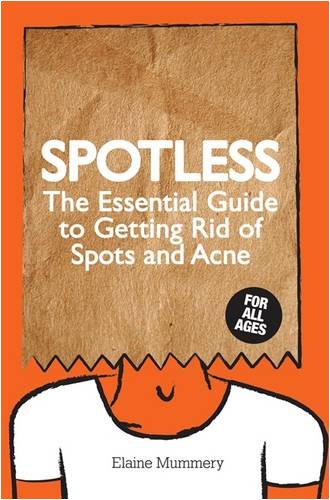
Spotless at last
Elaine Mummery has become an acne specialist through her own suffering which began at the age of 13 and she has explored every available avenue to getting a clear and healthy complexion. Spots don’t just happen to teenagers, they can also be a problem throughout life, particularly for women during menopause. Her excellent, clear, book offers real practical solutions and is sourced from doctors all around the world. She is adamant that you don’t need to invest in expensive creams and lotions to cure your skin, but you do need information to start tackling acne and spots, whether it’s a lifelong problem or an occasional flare up. An ideal present for anyone who wants to see visibly clearer skin within seven days, so head to your bookstore – real or virtual – and buy a copy of Spotless for just £10.
Or visit Amazon – Click on the book cover here: